Virtual psychotherapy + therapeutic coaching services
Allow your wholeness to emerge
Hidden Moon Healing offers psychotherapy, yoga therapy, and coaching to people recovering from trauma, childhood abuse, postpartum mood changes, nervous system distress, and mental illness.
Sally’s approach is client-driven, strengths-based, trauma-informed, intuitive, and compassionate.
When you book a free 30-minute consultation, you and Sally will discuss your reasons for seeking out therapy or coaching and what you hope to get out of it, and co-create a course of treatment that meets your unique needs.
How we can work together
-

Therapy
Trauma-informed virtual psychotherapy for clients across Colorado. Together we’ll gently work with trauma, childhood abuse, postpartum mood changes, and nervous system distress at a pace that feels safe for you.
-

Adult ADHD Therapeutic Coaching
Learn to work with your brain instead of against it. Coaching blends practical tools with therapeutic support to help you build structure, ease overwhelm, and quiet the shame that so often comes with ADHD. Available virtually, anywhere.
-

ADHD Therapeutic Coaching for Couples
When ADHD shows up in a relationship, both partners feel it. Together, you’ll build understanding, communication, and shared systems that support connection instead of conflict. Available virtually, anywhere.
-

Therapeutic Yoga
Healing that includes the body. Through gentle movement, breath, and mindful awareness, therapeutic yoga helps regulate your nervous system and rebuild a sense of safety and trust within yourself. Available virtually, anywhere.
Meet Sally
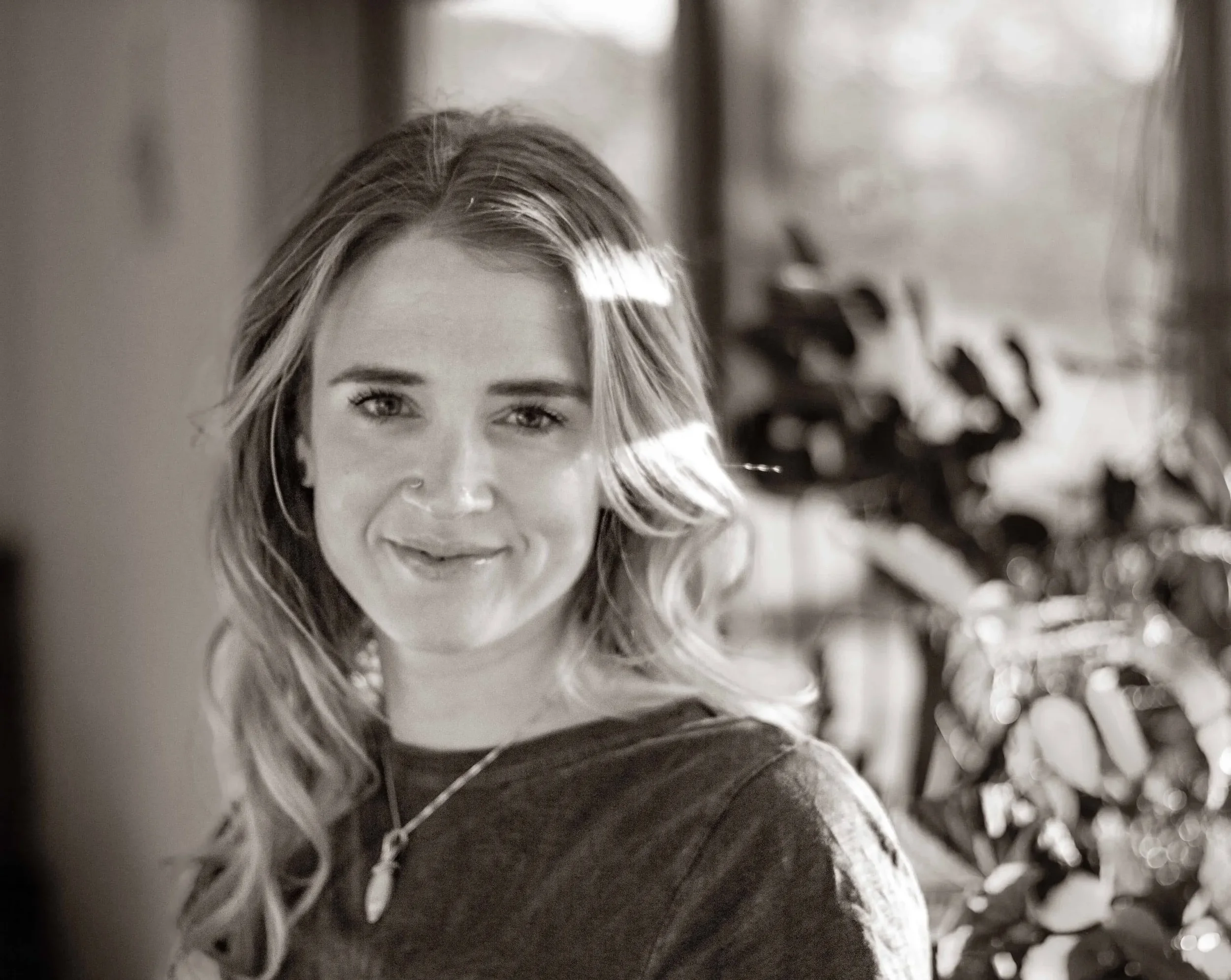
Sally Williams, MA, LPC is a psychotherapist based in Boulder, CO and the founder of Hidden Moon Healing. Sally’s approach to therapy is rooted in the belief that every person has an innate ability to heal, if given the right therapeutic relationship and tools. Through her work with people in correctional facilities and on probation and parole—people who often thought they had no hope of healing from or living sustainably with addiction, diagnosed mental illness, or persistent emotional and nervous system distress—she has seen the validity of this belief again and again. People who came into treatment feeling hopeless, frustrated, and stuck were able to create warmer, more respectful relationships with themselves through therapy, and to significantly shift their own painful and harmful patterns.